RFID in the Classroom: A Practical Introduction for Students
Editorial archive note: This original educational guide covers the “bringing RFID to the classroom” topic referenced by a legacy article link.
For an authoritative standards reference, see GS1 EPC/RFID standards when evaluating interoperability and deployment requirements.
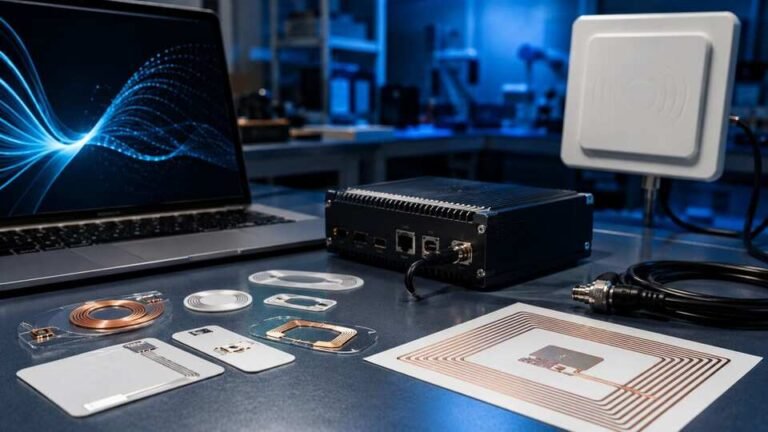
RFID is a useful teaching platform because it combines radio, embedded systems, data modeling, privacy and operations. A small classroom project can show the complete path from a physical tag to a useful event on a computer, while keeping the experiment safe and transparent.
A simple learning sequence
- Identify the tag type and frequency band.
- Read one known tag at short range.
- Record the identifier without collecting unnecessary personal information.
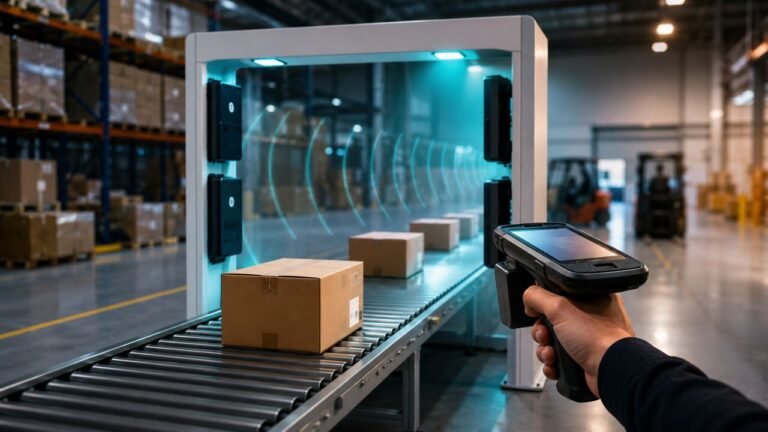
- Move the tag through a defined read zone and compare repeated reads.
- Build a small dashboard that distinguishes a new event from a duplicate.
Good project ideas
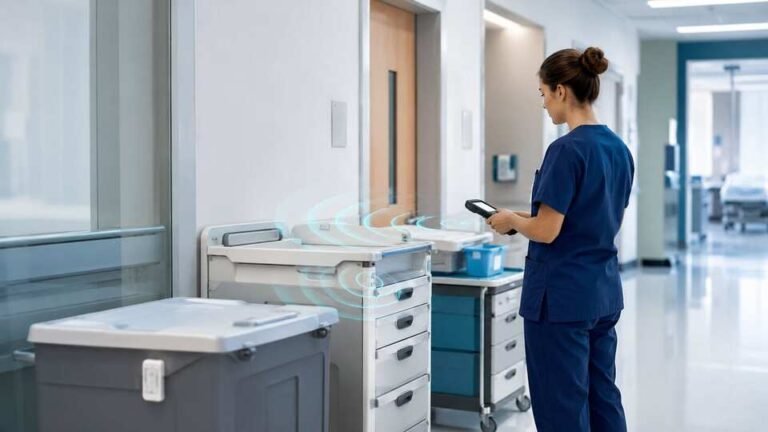
Students can model library check-in, laboratory equipment checkout, attendance with explicit consent, sports timing or a mock warehouse. Projects should use test identities and explain the limits of the demonstration. A classroom reader is not automatically suitable for a production doorway or a medical environment.
Safety and ethics
Explain what is collected, who can see it and how long it is retained. Avoid tracking people without a clear educational purpose and consent. Discuss interference, read-zone leakage, tag collision, data quality and the difference between an identifier and a person’s identity.
For the technical foundation, start with RFID basics, then use reader-range testing and troubleshooting exercises.