EPCglobal Class 1 Gen 2 (EPC Gen2) RFID Explained
Editorial archive note: This original explainer covers the EPCglobal Class 1 Generation 2 subject referenced by an older RFID Product News whitepaper link. Standards evolve, so confirm current requirements with GS1 and the applicable regional regulator.
For an authoritative standards reference, see GS1 EPC/RFID standards when evaluating interoperability and deployment requirements.
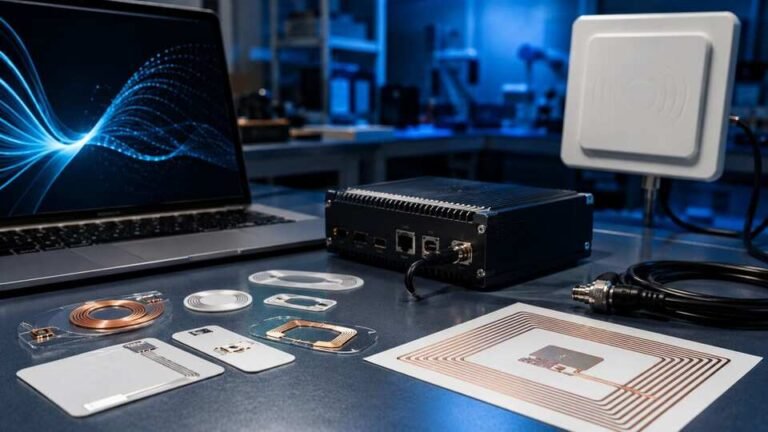
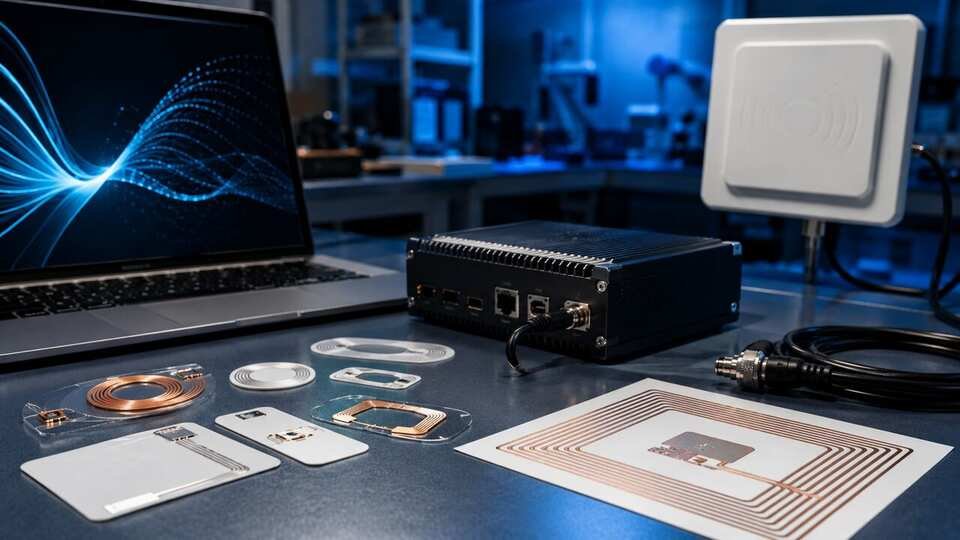
EPC Gen2, commonly encountered today through the GS1 UHF Gen2 family, describes how passive UHF tags and readers communicate in a shared radio environment. It is not a complete deployment specification by itself: performance also depends on tag design, reader configuration, antennas, materials, regional spectrum rules and the software that turns raw reads into business events.
What the protocol contributes
- Inventory and singulation: readers can identify multiple tags in a field while reducing collisions.
- Memory and identifiers: tags commonly expose an electronic product code plus reserved, EPC, TID and user memory areas, depending on the chip.
- Reader commands: select, inventory and access operations support filtering, reading, writing, locking and killing where permitted.
- Interoperability: a shared protocol makes it easier to evaluate tags and readers from different suppliers.
What Gen2 does not solve
The standard cannot guarantee a specific read range, throughput or security level. A metal shelf, a liquid-filled container, tag orientation and reader power can change results substantially. Security-sensitive applications may require password controls, cryptographic tags, backend verification or tamper evidence beyond a basic EPC.
Deployment checklist
Document the required region and frequency plan, item density, portal geometry, antenna polarization, expected read rate, write requirements and privacy controls. Test a known-good tag, a worst-case item and a damaged or poorly oriented item. Record false reads and missed reads instead of reporting only the best range.
Use the practical companion guides on reader range, UHF versus HF and troubleshooting missed reads.