What Is RFID? How Tags, Readers and Data Work
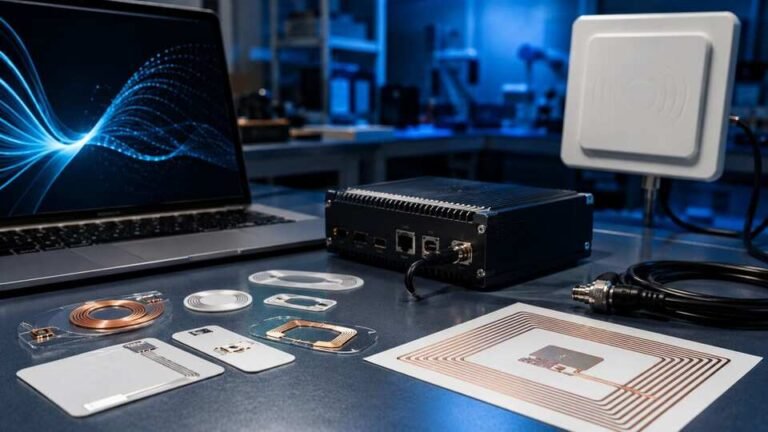
What is RFID? Learn how tags, readers, antennas and software identify objects using radio waves, plus frequencies, uses and limitations.
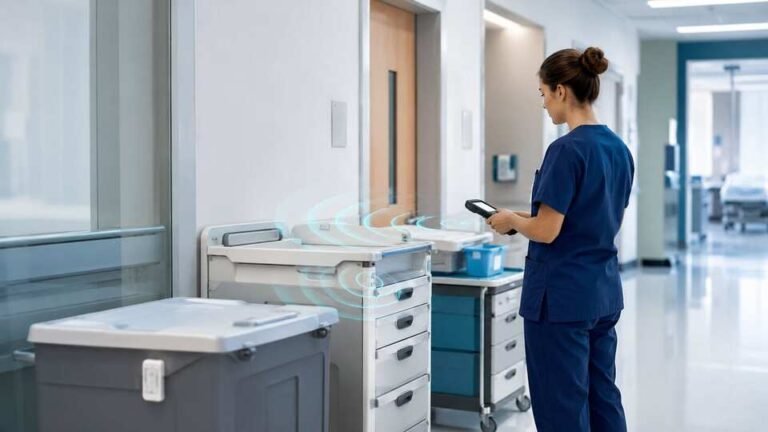
Explore RFID in healthcare for equipment, inventory, patients and workflows, with practical guidance on safety, privacy, testing and governance.
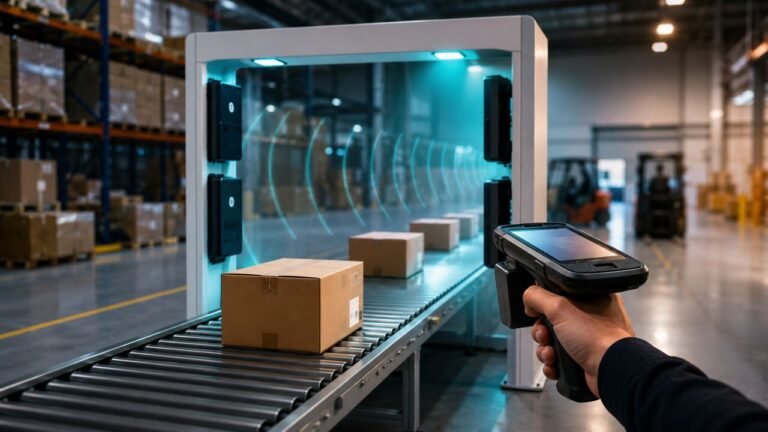
Plan RFID asset tracking by defining events, selecting tags and readers, designing read zones, integrating data and measuring a representative pilot.
Build an RFID inventory management system for receiving, cycle counts, replenishment and fulfillment with this practical implementation guide.
Understand RFID reader range and the effects of frequency, power, antennas, tag sensitivity, orientation, materials, cables and the RF environment.
Understand RFID counterfeit prevention, including unique identifiers, secure tags, verification, chain of custody and the limits of basic EPC labels.
Estimate RFID system cost across tags, readers, antennas, software, integration, installation, testing and ongoing support with a practical budget framework.
Explore the benefits of RFID in retail, from faster cycle counts and inventory accuracy to replenishment, fulfillment and loss investigation.
Compare UHF vs HF RFID by frequency, read range, coupling, tag behavior, standards, metal and liquid sensitivity, and typical applications.
Plan RFID jewelry inventory tracking with suitable small tags, tray-based reads, item association, security controls and daily cycle-count workflows.
Review the METRO Group RFID case study and the durable lessons it offers for retail receiving, logistics, standards, pilots and supplier coordination.
Learn how RFID waste management systems identify bins, record collections, support route evidence and improve recycling operations—plus implementation risks.
End of content
End of content