RFID Comes of Age: Lessons from Early RFID Adoption
Editorial archive note: This is an original 2026 summary of the “RFID Comes of Age” subject referenced by an older RFID Product News whitepaper URL. It preserves the topic for readers without reproducing the historical document.
For an authoritative standards reference, see GS1 EPC/RFID standards when evaluating interoperability and deployment requirements.
RFID moved from specialist identification projects into everyday supply-chain, retail and asset workflows because it solved a practical problem: systems could capture the identity of many tagged items without requiring a direct line of sight for every scan. The technology became useful when teams connected that read event to a business decision.
What changed as RFID matured
Early projects often focused on the novelty of reading multiple tags. Mature deployments asked harder questions: Which event must be proven? What materials and orientations will tags encounter? How will duplicate reads be filtered? Who owns the exception when a tag is missing or unreadable? The shift from demonstration to operations is the central lesson of RFID’s early adoption.
Four lessons that still apply
- Start with a workflow: define receiving, movement, checkout, maintenance or another measurable event before choosing hardware.
- Test representative materials: liquids, metal, dense packaging and stacked goods can change the read zone.
- Separate identification from authentication: a tag ID is not automatically proof that a product is genuine.
- Measure the business outcome: compare inventory accuracy, cycle-count time, shrinkage, labor and exception rates against a baseline.
Why the topic remains relevant
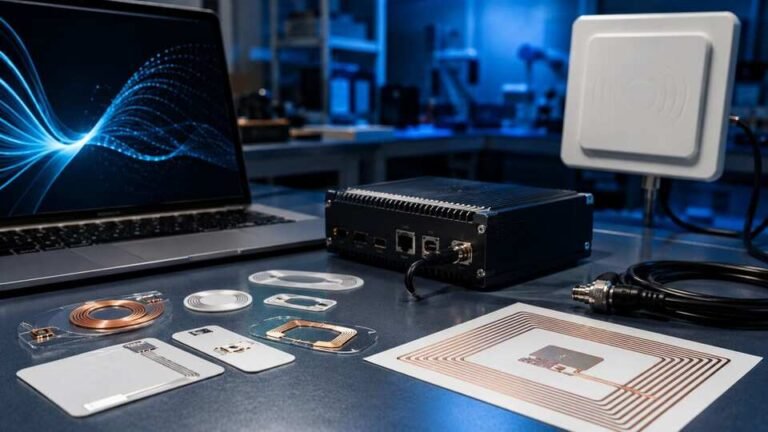
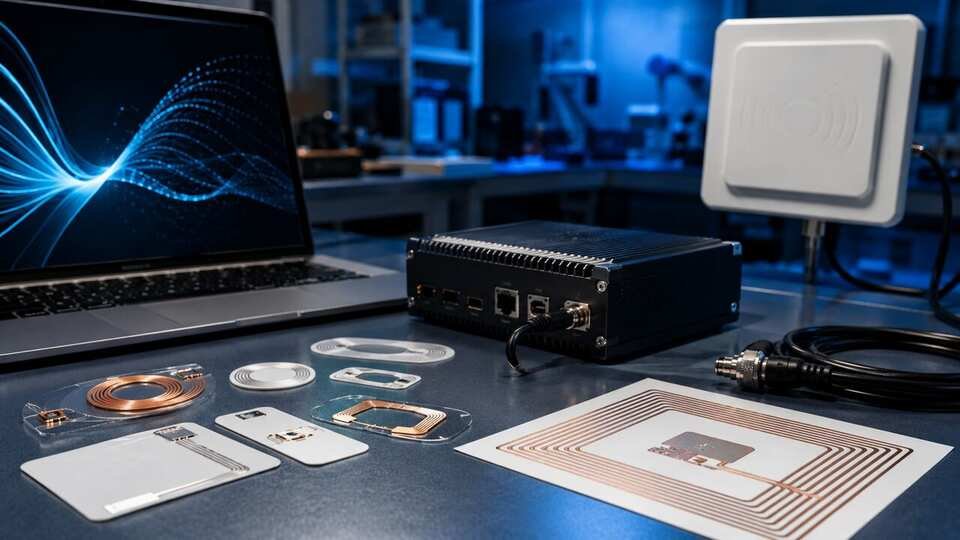
Today’s RAIN RFID, HF, NFC and sensor-enabled systems are more capable, but deployment discipline still determines value. A reliable architecture includes tags, antennas, readers, middleware, integrations, operating procedures and data governance. The best projects also document where RFID is not the right tool.
For a current technical starting point, read What Is RFID?, then compare the implementation guidance in our RFID inventory guide and asset-tracking guide.